- The Rising of the Phoenix
- Posts
- April 12, 2026


QUICK TIP: The easiest way to prevent diseases in plants indoors or outdoors is to give them growing conditions as close as possible to the plant’s ideal conditions.
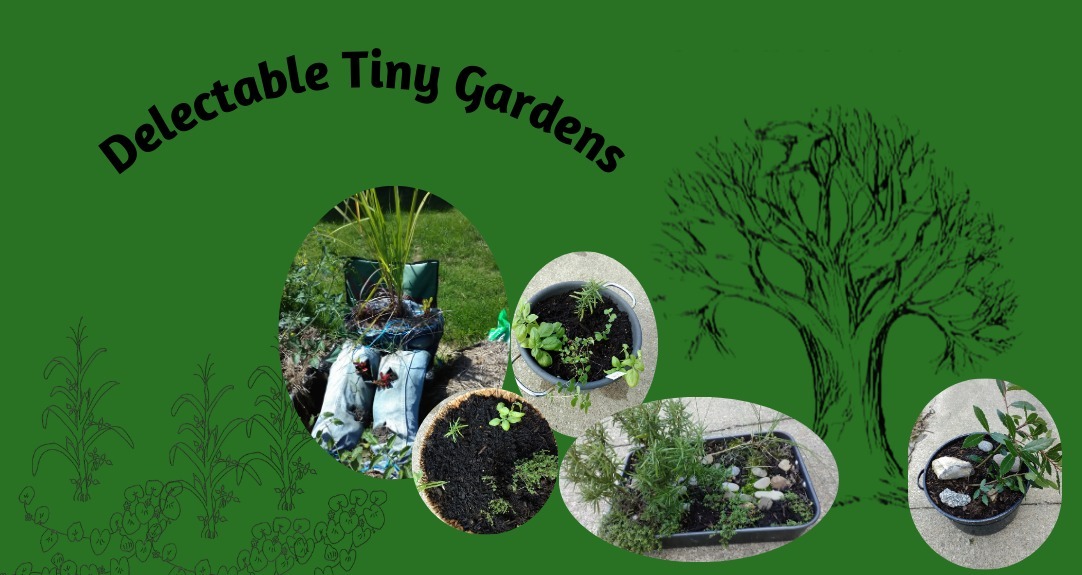
I have this information for a select number of crops that are suitable for containers and Tiny Spaces at Delectable Tiny Gardens and Manitu Okahas Programs
Powdery Mildew
Excerpt from a research project that I did for a member of Delectable Tiny Gardens
WHAT IS POWDERY MILDEW
Powdery mildew s a general term for a number of fungal diseases. I’m not going to get into the specifics of species here. It is in general defined by a white or grey film on the leaves and flowers of plants looks somewhat like someone dusted the plant with baby powder.
This fungal diseases can affect a wide range of plants both inside and outside. For most plants, a light infection does not pose a serious problem. For a few species, it can. The plants that powdery mildew causes the most problems for me are cucumbers, squash, and rosemary. When it does cause problems, it causes leaf drop, blossom drop, leaf curl, leaf twisting, an even the death of the death of the plant. When I loose rosemary in the winter, it is usually due to powdery mildew.
PREVENTION
The best practice is to prevent the disease before it occurs. It thrives is humid environments with little direct sunlight that are between 60*F and 80* F. Cool, humid nights encourage the growth of the fungus and dry warm days encourage the spread of the spore.
The best prevention in general is to lower the humidity a bit if you can, let the soil run just a tad bit on the dry side, and make sure the plants have good air flow. Never over fertilize the plants with nitrogen as that encourages disease prone growth.
The best preventive is sunlight. For my rosemary, I take it outside during the winter every time the weather is warm enough (above 45* F).
WHAT TO DO IF YOU SEE POWDERY MILDEW
Isolate the plant if you can and remove diseased foliage if you can.
Remove all plant debris that could carry the spore and destroy it . Do not compost it.
Treat the plants with a fungicide. Some of the safest ones to use are sulfur or copper based compounds or baking soda. Treat the plants as soon as you see signs, but remove affected foliage if possible.
My preference is to use a baking soda spray.
Home made sprays for powdery mildew.
mix 1 teaspoon baking soda into 1 quart water.
or
mix 1 teaspoon vinegar into 1 quart water.
The full article is found at Delectable Tiny Gardens.
SOURCES
Here Is The Solar Information For 41 * 6’ Latitude
Date Hours of Sunlight Elevation
Jan 1 9h 14m 25.7
Feb 1 10h 5m 31.6
March 1 11h 17 m 41.1
April 1 12h 43m 53.3
May 1 14h 2m 63.7
June 1 15h 70.6
July 1 15h 8m 71.5
Aug 1 14h 22m 65.9
Sept 1 13h 6m 56.4
Oct 1 11h 44m 44.9
Nov 1 10h 22m 33.7
Dec 1 9h 23m 26.5
Knowledge lives in the head.
Purpose lives in the heart.
Wisdom lives in the bones.
You are invited to join a community formed to support people on their journey towards food resiliency in Tiny Spaces, Delectable Tiny Gardens.
Virtual gathering on Friday and Sunday, Plant Profiles, Workshops, Tools and Information, Shared Expertise and Experiences.
For Plant Profiles, Resiliency Guides, and to book coaching
